logo
Instagram Logo 2 Streamline Icon: https://streamlinehq.com

MEMPHIS Electronic GmbH

Basler Str. 5

61352 Bad Homburg

Germany

Phone: +49 6172 90350

Email: info@memphis.de

Subscribe to our Newsletter!

Imprint

Privacy Policy

Terms and Conditions

Contact

logo
Instagram Logo 2 Streamline Icon: https://streamlinehq.com
  • Products
    RAM Components
    DDR5DDR4DDR3DDR2DDRSDRAMGDDR7GDDR6GDDR5
    LPDDR5xLPDDR5LPDDR4xLPDDR4LPDDR3LPDDR2LPDDRLPSDRSRAMAnsynch. Fast SRAMLow Power SRAM
    Synchr. SRAMNon-Volatile SRAMPseudo SRAMFeRAM / FRAMMRAMReRAM
    DRAM Modules
    DDR5 ModulesDDR4 ModulesDDR3 ModulesDDR2 ModulesDDR ModulesSDRAM Modules
    Flash Memory
    Serial NORParallel NORSerial NANDParallel NANDeMMCSSDsCompactFlash / CFastSD CardsUFSMulti-Chip Packages
  • Linecard
  • Applications
  • Tech Hub
    Our Webinars
    Memory Know-How
  • Company
    About Us
    Locations
    News & Events
    Quality & Sustainability
    Career
    Contact
    Sponsoring
HOME
>TECH HUB
>MEMORY KNOW-HOW

Memory Know-How


Do you want to know more about specific memory technologies and their application scenarios? Then you have come to the right place. Here you can find memory insights from your Memory Compentence Center.

Memory Technologies

image
SOCAMM: The New Memory Kit on the AI Block

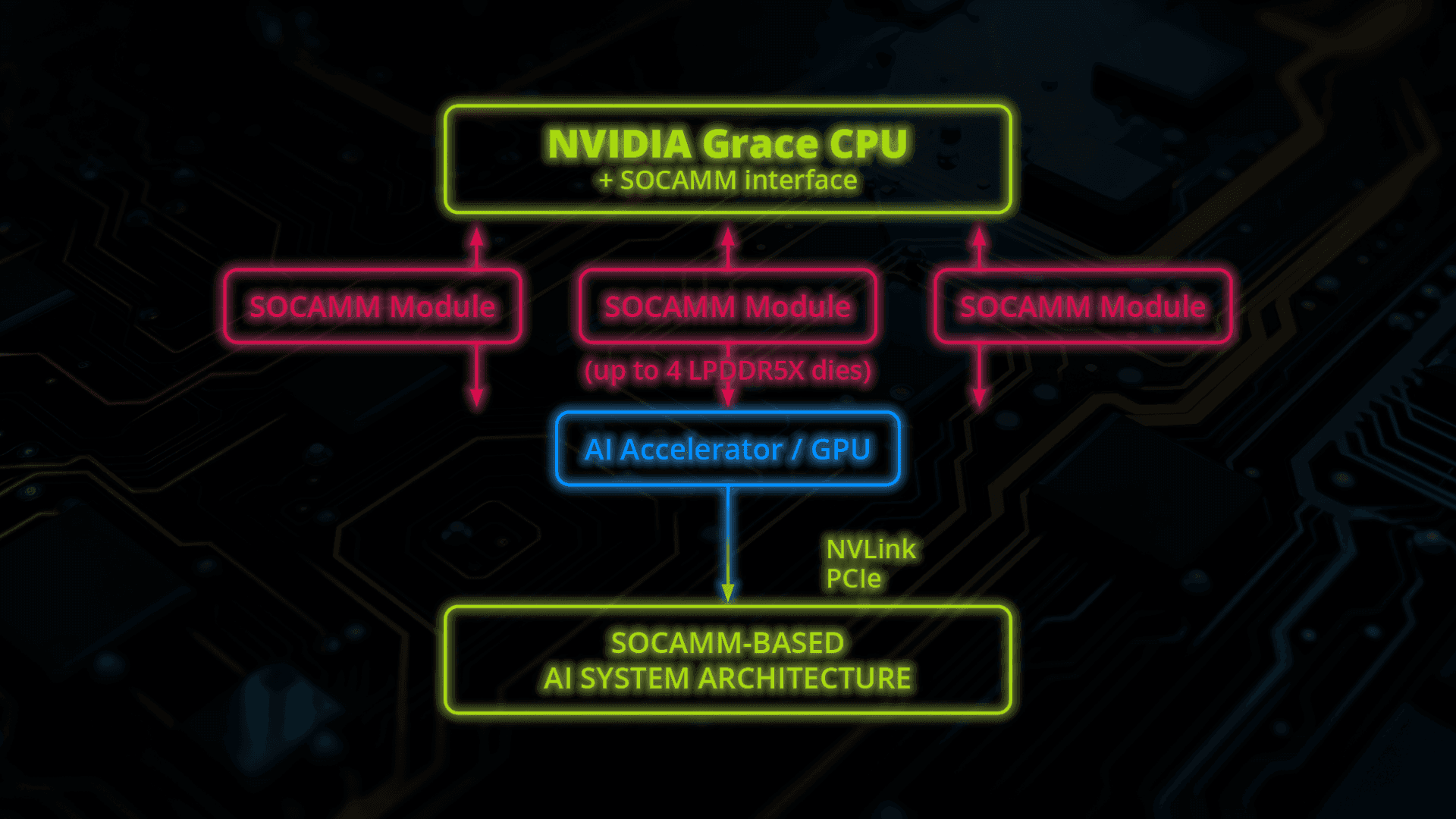
SOCAMM (Small Outline Compression Attached Memory Module) emerges as a purpose-built memory architecture designed by NVIDIA and developed in partnership with Micron, Samsung, and SK Hynix to bridge a critical performance and efficiency gap in AI-centric platforms. By combining the high-bandwidth and energy efficiency of LPDDR5X memory with a modular, socketed form factor, SOCAMM redefines the interface between memory and compute.

image
DDR6: The Next Evolution in High-Performance Memory

DDR6 promises to redefine performance benchmarks across artificial intelligence (AI), cloud infrastructure, high-performance gaming, and enterprise workloads. We have synthesized available draft specifications, as well as vendor and JEDEC working group insights, to provide a comprehensive overview of DDR6 development timelines, architectural innovations, comparative performance metrics, and market adoption trends.

image
Discontinuation of eMMC: A Guide for Developers & OEMs

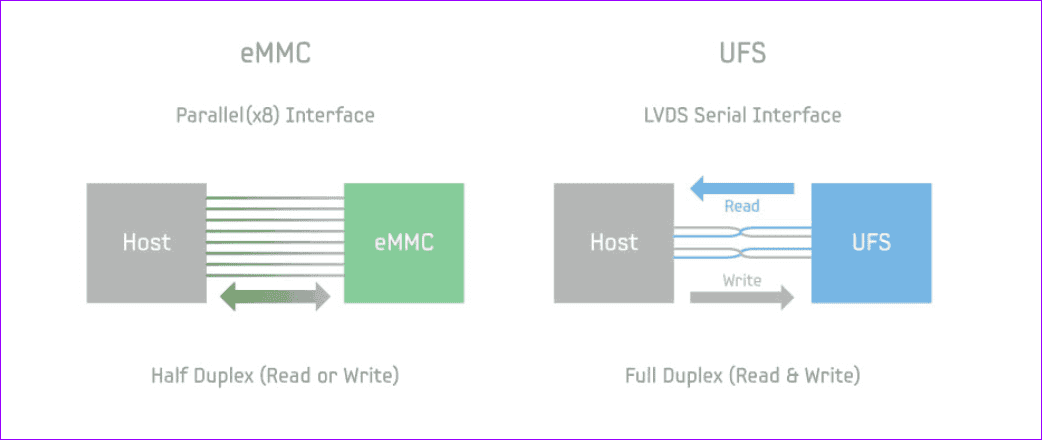
The decision to phase out eMMC storage is forced by several factors. Memory manufacturers believe there has been an added price pressure in the last two years. Moreover, large memory manufacturers are keen on developing high-margin memory products. These products can provide greater profitability and reinvestment potential, catering to the price pressures associated with eMMC. We take a closer look at eMMC and compared it with UFS, SDs as well as SSDs.

image
E2 SSD: The New Storage Superhero

Emerging workloads across AI, big data, IoT, and hyperscale compute require a rethinking of storage infrastructure as existing storage form factors struggle to scale in terms of capacity, density, power, and performance. Enter the E2 SSD form factor, developed jointly by the Storage Networking Industry Association (SNIA) and the Open Compute Project (OCP).

Let's take a closer look!


Application Examples


image
FeRAM-Enabled Anti-Counterfeit Authentication

Counterfeit products pose health and safety threats but also impact the economic growth of legitimate businesses. Traditional digital authentication via challenge–response with stored keys is increasingly susceptible to key leakage and cloning.

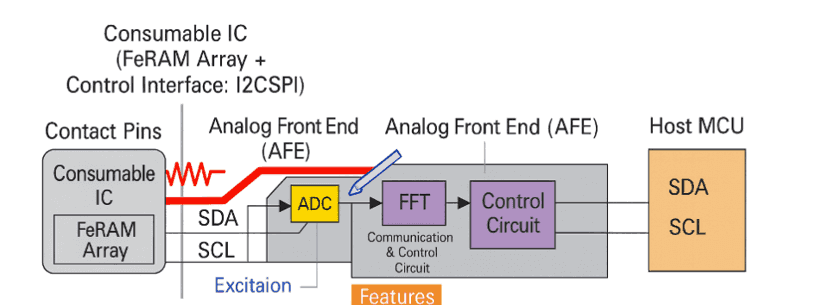
Together with Ramxeed, we have outlined a FeRAM-based, encryption-less authentication (“spectral authentication”) approach that leverages the intrinsic analog pulsation signature generated during FeRAM switching.

image
Smarter Smart Metesr & Edge-AI Data Loggers with MRAM

Smart meters and AI-based edge data loggers enable accurate, real-time monitoring of energy consumption and industrial parameters. They continuously record data, transmit it wirelessly, and support over-the-air (OTA) updates. The memory embedded in these devices must offer not only non-volatility and fast access but also high durability.

MRAM addresses these demands more effectively than traditional options.

image
3 Edge AI Architectures That Demand Smarter Memory

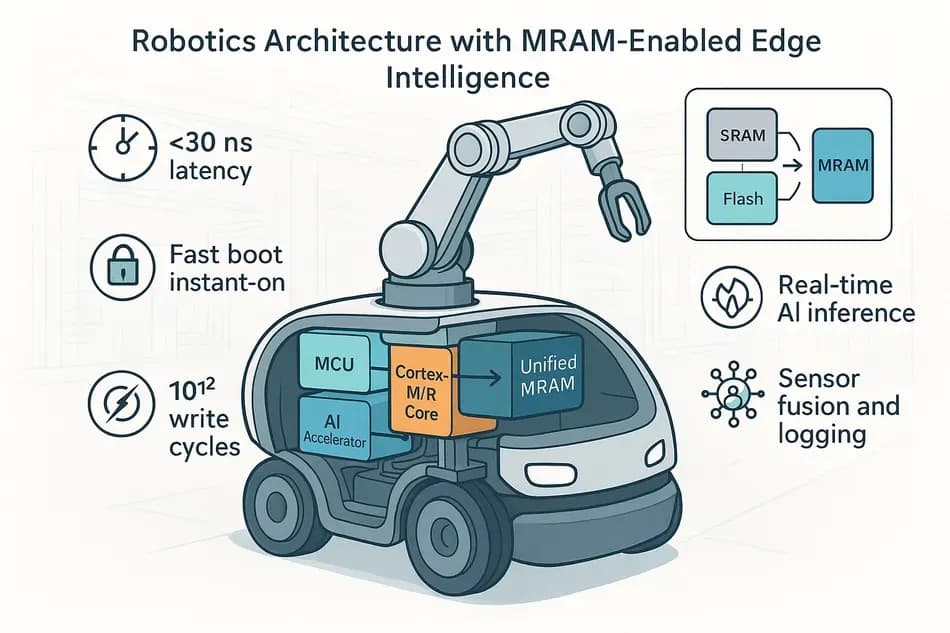
As AI is shifting from hyperscalers in data centers to the edge, the need for memory is changing. In this article for Wevolver, we explore how three edge AI architectures; robotics, system-on-modules (SoMs), and medical devices, are driving this shift, and how MRAM and FeRAM are enabling smarter, more resilient memory at the edge. Read all about it here

image
Factory Automation: Enhanced Reliability with FeRAM

Robotic systems, particularly those relying on Human-Machine Interfaces (HMIs), require memory components capable of high-speed data writing, non-volatility, and resilience under harsh operating conditions.

In this paper, we compare EEPROM with FeRAM and outline why it represents a superior choice for high-reliability, low-latency factory automation applications.

image
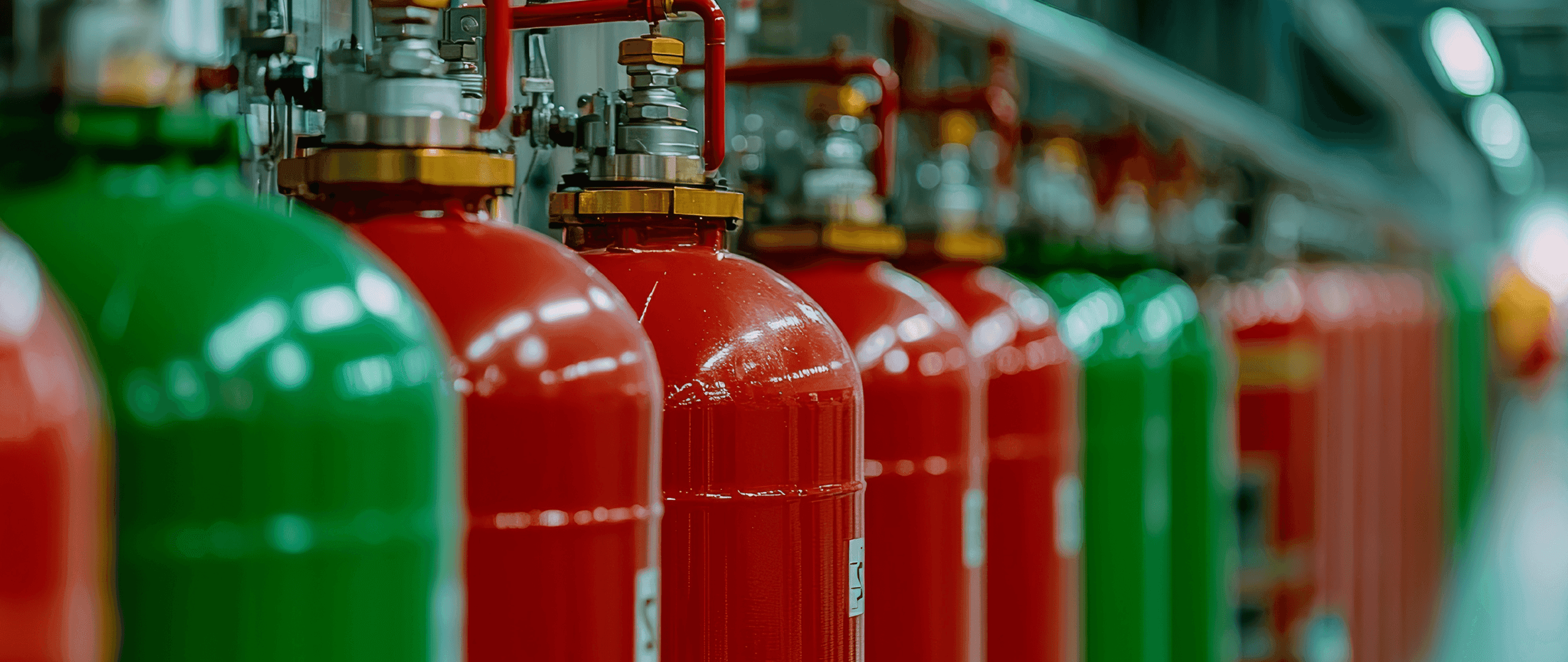
FeRAM for Memory-Critical Fire & Gas Suppression Systems

As fire suppression and safety systems evolve toward greater intelligence and autonomy, memory components play a central role in ensuring system reliability, data integrity, and real-time responsiveness. This paper we compare Ferroelectric RAM (FeRAM) with other mainstream memory technologies like EEPROM, Flash, MRAM, SRAM, and DRAM, and defines the Critical-to-Quality (CTQ) attributes required in the context of fire suppression, especially gas-based suppression systems, which demand the highest reliability and compliance.

image
Enhancing Elevator Control Systems with FeRAM

Elevator control systems are vital components in modern infrastructure, ensuring safe and efficient vertical transportation. These systems face critical challenges, particularly in power loss scenarios and environments requiring high-frequency data logging. Traditional memory technologies like EEPROM and Flash often fall short in endurance, speed, and reliability. Ferroelectric Random Access Memory (FeRAM) presents a breakthrough alternative with its non-volatile characteristics, superior write endurance, and high-speed operation.

image
Enhancing Pet Health Trackers with Ferroelectric RAM

The global market for pet wearables—particularly smart collars that combine GPS tracking with health monitoring—is undergoing rapid growth. However, the reliability, responsiveness, and power efficiency of these devices depend heavily on underlying memory technologies. This paper explores market dynamics, core applications, and the integration of FeRAM into key use scenarios.

image
Smart City Air Quality Monitoring

Urbanization, climate change, and industrialization have significantly impacted air quality, elevating the urgency for intelligent, distributed monitoring systems. To achieve this, edge-intelligent nodes are needed that integrate optical sensing, embedded AI inference, and non-volatile memory technologies—specifically MRAM and FeRAM. Here we outline how.


Do you need data sheets, samples or further information?


Reach out!