
Ferroelectric Random Access Memory (FRAM or FeRAM) is a non-volatile memory technology that combines the strengths of DRAM and flash memory technologies. FRAM is considered to be an "emerging memory technology", although the concept was first introduced in 1952.
The introduction of DRAM in the 1960s set development back and it was not until the late 1980s that it was resumed and first used more widely in the mid-1990s. The video game Sonic the Hedgehog, for example, was the first game to store game saves on FRAM.
The architecture of a FRAM is similar to DRAM but it uses a ferroelectric layer instead of a conventional capacitor. FRAM offers many of the advantages of non-volatile memories, such as low power consumption and fast write speeds. However, the cells do not have to be erased before writing.
Its performance is comparable to that of SRAM, which makes FRAM interesting for use in real-time applications.
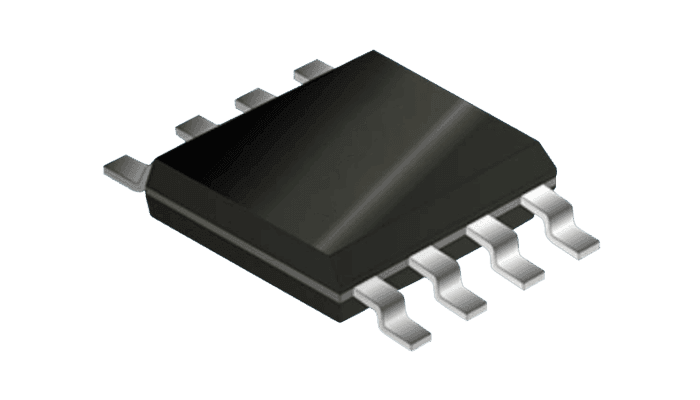







Here are some example use cases of FeRAM in elevator control systems, factory automation, as well as pet heath trackers.