
Since JEDEC published the DDR3 SDRAM specification in 2007, DDR3 SDRAM is one of the most common DRAM technologies in industrial, embedded as well as a variety of other applications. However, many manufacturers have announced to discontinue DDR3 components.
Thanks to our broad linecard, we still offer a broad range of DDR3 in a variety of configurations from these manufacturers: Chiplus, ESMT, Etron, Intelligent Memory, Nanya, and Winbond.
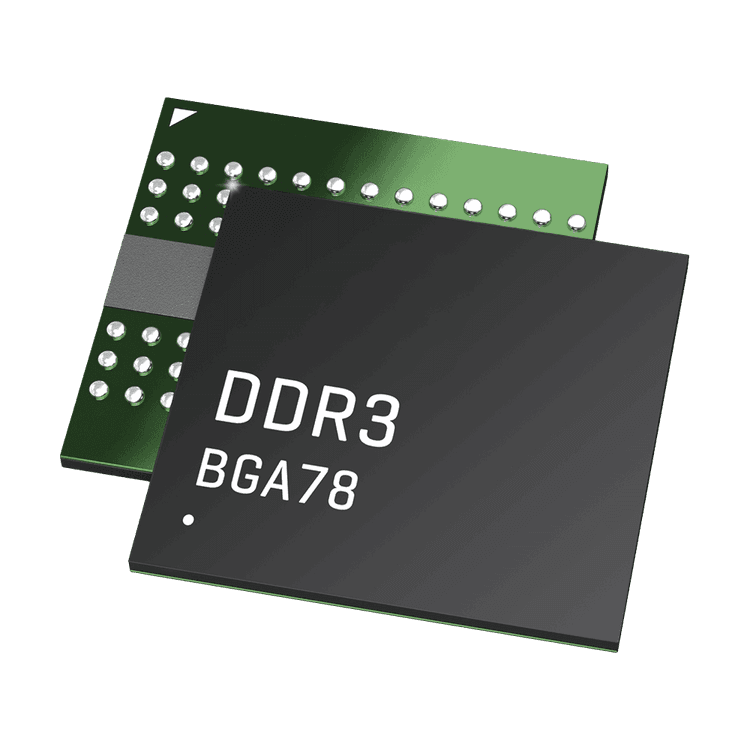
• High speed and performance
• Energy efficient
• Improved data handling








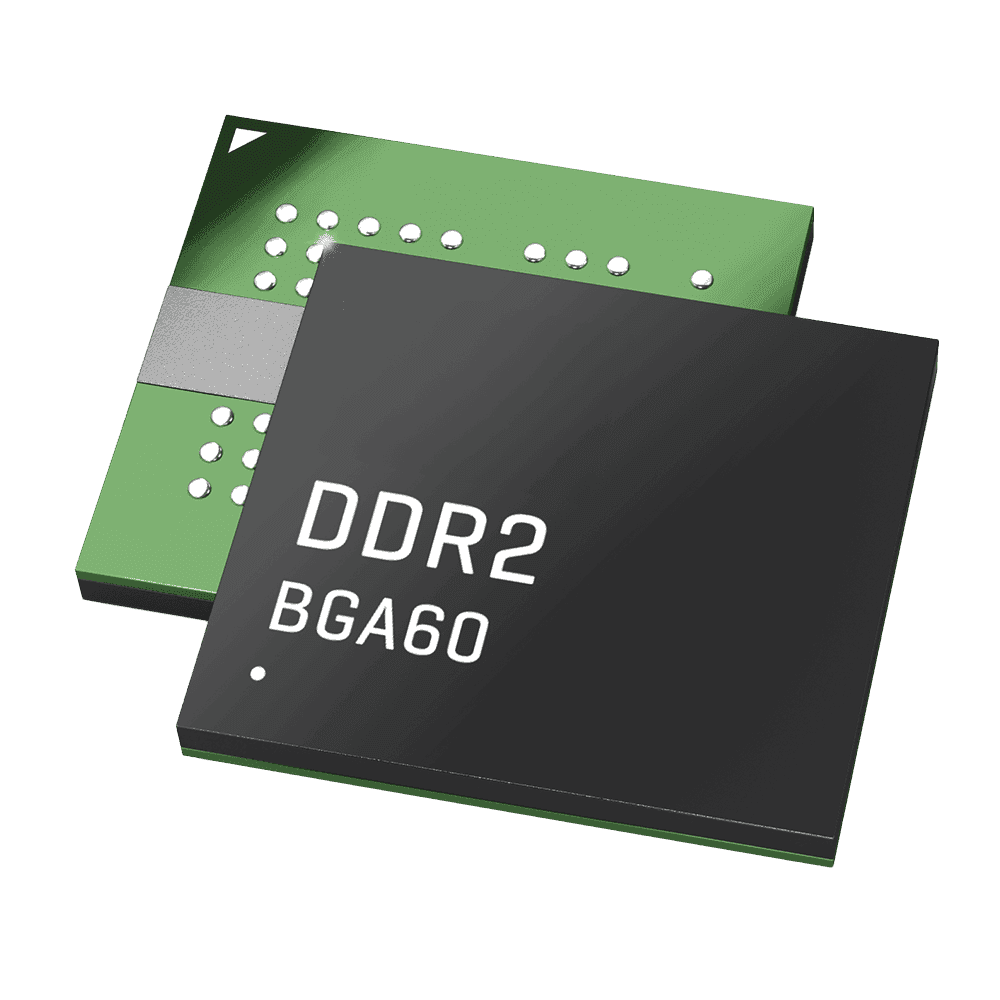
| Features | DDR3 | DDR2 |
|---|---|---|
| Speed | 1066 MHz | 533 MHz |
| Voltage | 1.5V/1.35V | 1.8V |
| Typical Densities | 1/2/4/8 Gb | 256/512Mb - 1/2 Gb |
| Banks | 8 | 4 |
| Prefetch | 8 Bit | 4 Bit |
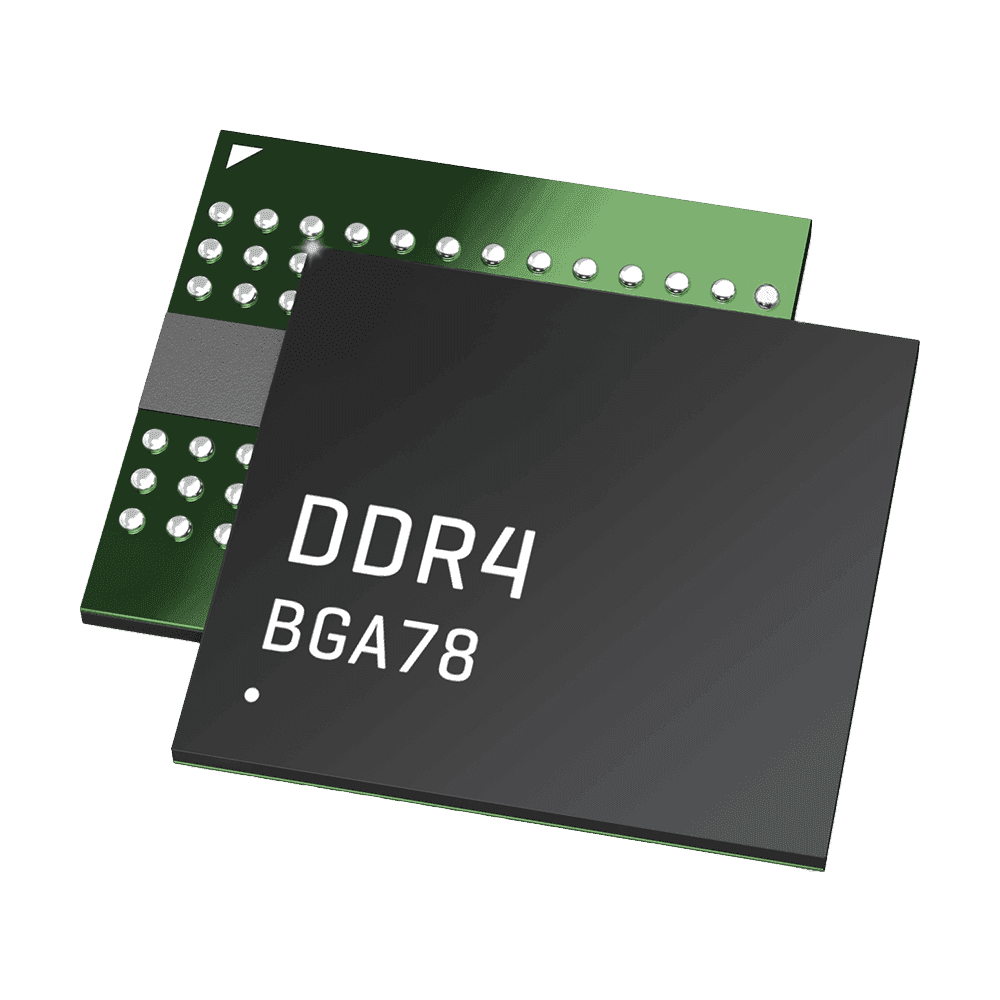
No, DDR3 is not compatible withDDR4 due to different pin configurations and electrical standards:
To upgrade from DDR3 to DDR4 you need:
DDR3 remains popular due to its long-term availability, low power consumption, and compatibility with legacy systems.
Our customers are most interested in these DDR3 features: 8Gb, DDR3-1600 to DDR3-1866, 1.5V or 1.35V (DDR3L), x8 / x16 interface, industrial temperature range (−40°C~85°C or up to 95°C for extended versions).
DDR3 demand will be extremely niche beyond 2030. Processor ecosystems are already phasing out DDR3. Support will only remain where customers are willing to commit to wafer banking or custom long-tail supply programs. The availabilty beyond 2030 will be limited to legacy maintenance markets (industrial, defense, aerospace).
Reach out. We are happy to help!