

We’ve said before, the semiconductor memory business is not for the faint of heart. But the madness in the memory market still shows no signs of easing. Initially, we expected the market to plateau towards the middle of the year, and the latest spot prices from TrendForce indicate a small improvement.
However, there is still a sense of lethargy as expectations between memory manufacturers and OEMs continue to widen. Last month, we explained that not everyone is affected equally by the price increases, but we also see increasing reluctance to commit to memory orders with uncertain pricing and delivery dates.
So, the madness continues. How can we help you mitigate the effects? We are here to guide you and help you assess your options, especially the ones that might not be obvious to the untrained eye.
We are on the road again in June and if you are in London or Berlin, meet us at Hardware Pioneers or Evertiq Berlin and discuss with our experts on how to interpret the market in your specific situation. Below are the exact dates of where to meet us.
And as usual, you don’t have to wait until we are near you. Reach out if you have questions.
For years, many electronics OEMs treated DRAM and NAND sourcing as a familiar rhythm: Negotiate hard, watch spot signals, and assume the market would eventually self-correct. That playbook is breaking, as Marco Mezger explained in an article for eeTimes.
Geopolitical fragmentation - most visibly U.S.–China tensions and the policy tooling that follows - has begun to reshape memory supply chains on many levels: price, availability, qualification timing, and even what “legal supply” means for a given customer and end use.
The “cheapest source on paper” may be neither the most secure nor the most defensible from a compliance standpoint.
Read the full article here.

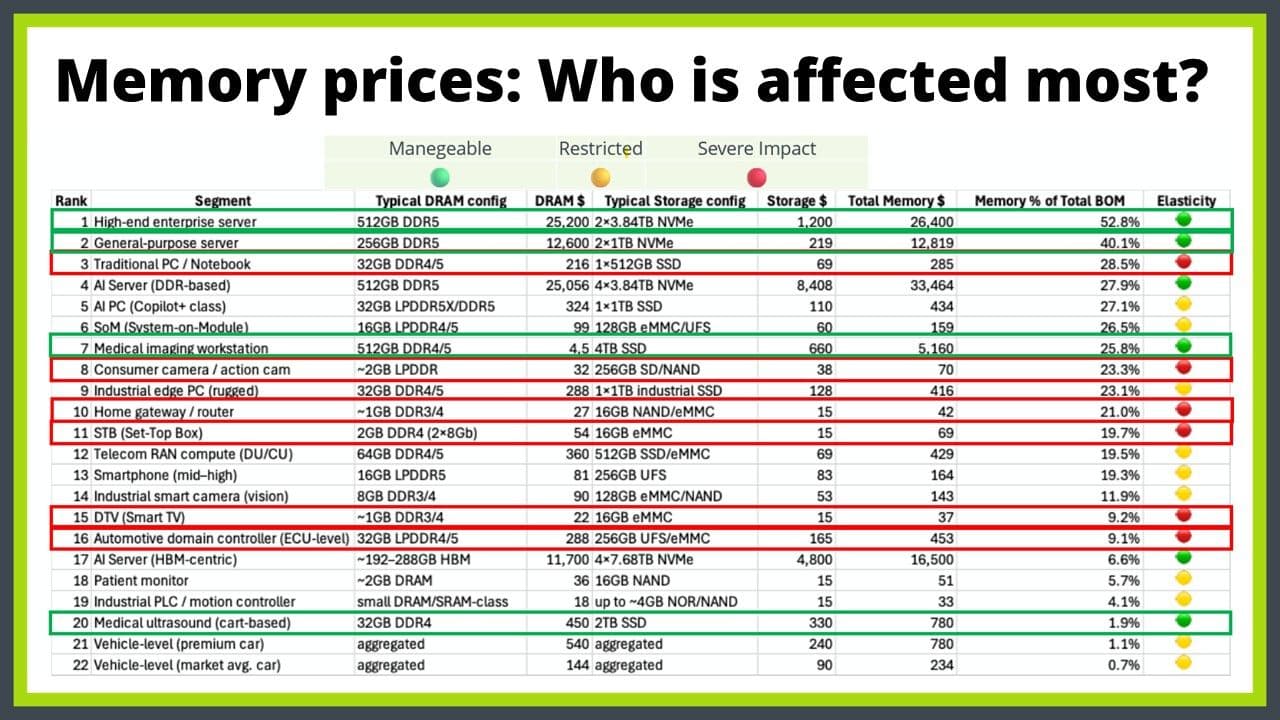
Memory prices are high, but not everyone suffers equally from the surging costs. In AI infrastructure and high-end enterprise servers, memory is over 50% of the total system bill of materials (BOM). Yet they absorb the high prices because a server’s compute performance is directly tied to memory.
In contrast, consumer segments struggle with memory prices, although memory accounts for only 10-30% of their total BOM. Memory is a key element but it’s a price-sensitive market, where consumers simply won’t buy anymore.
Where are you on this scale? What is your strategy? Waiting is not an option, as we pointed out in our last webinar.
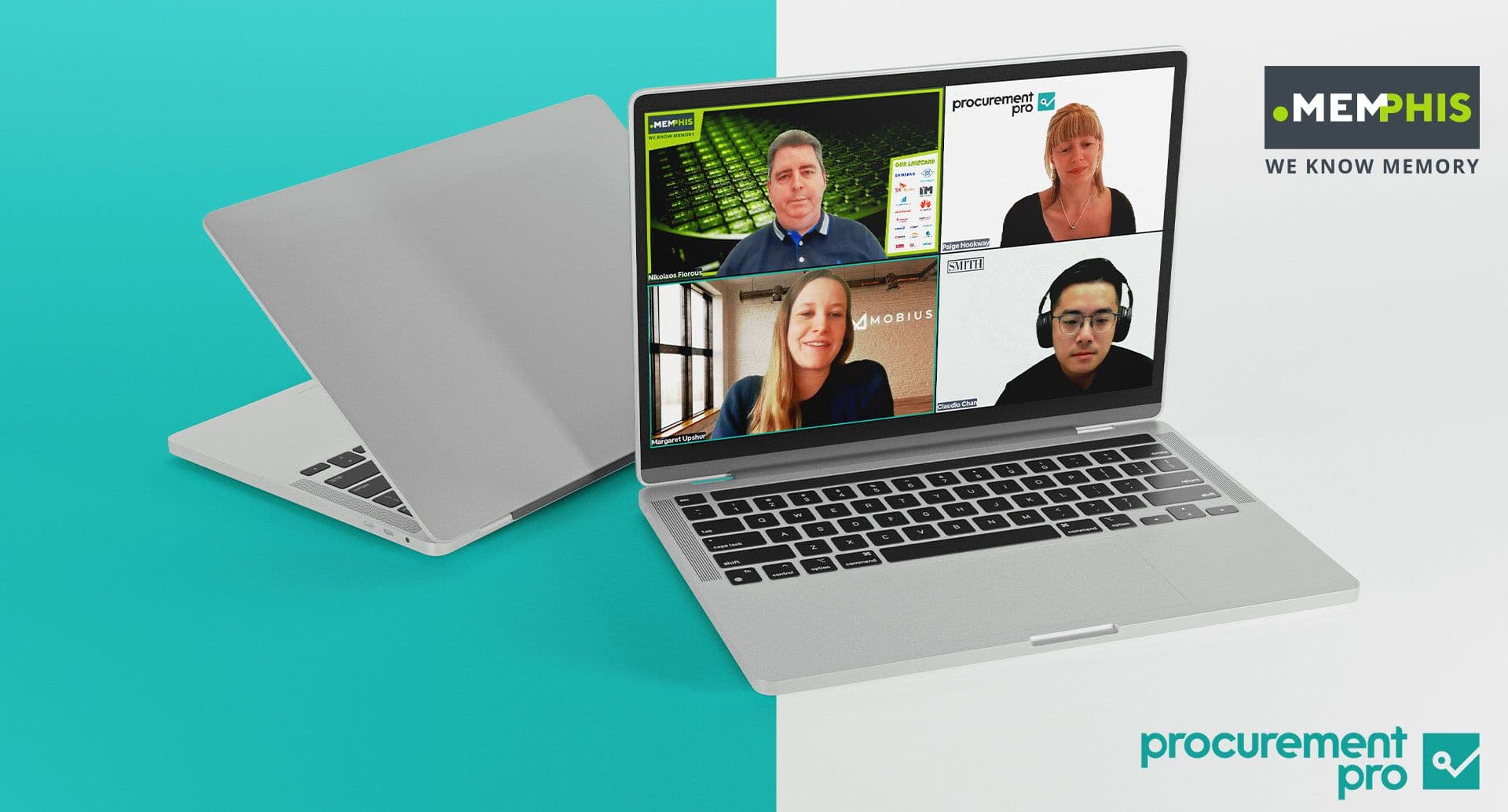
Exceptional times require new thinking. That’s what we are trying to help our customers with. One example is “Design for Procurement”. This is an idea that Nick Florous, Ph.D., introduced as a panel speaker in a recent webinar hosted by Procurement Pro. The idea is that engineering teams should minimize “nice to have” features that are not core to their product, like temperature and tolerance requirements, where possible, and build in architectural flexibility.
Missed the webinar? You can listen to the recording here.
Want to know more about "design for procurement"? Reach out.
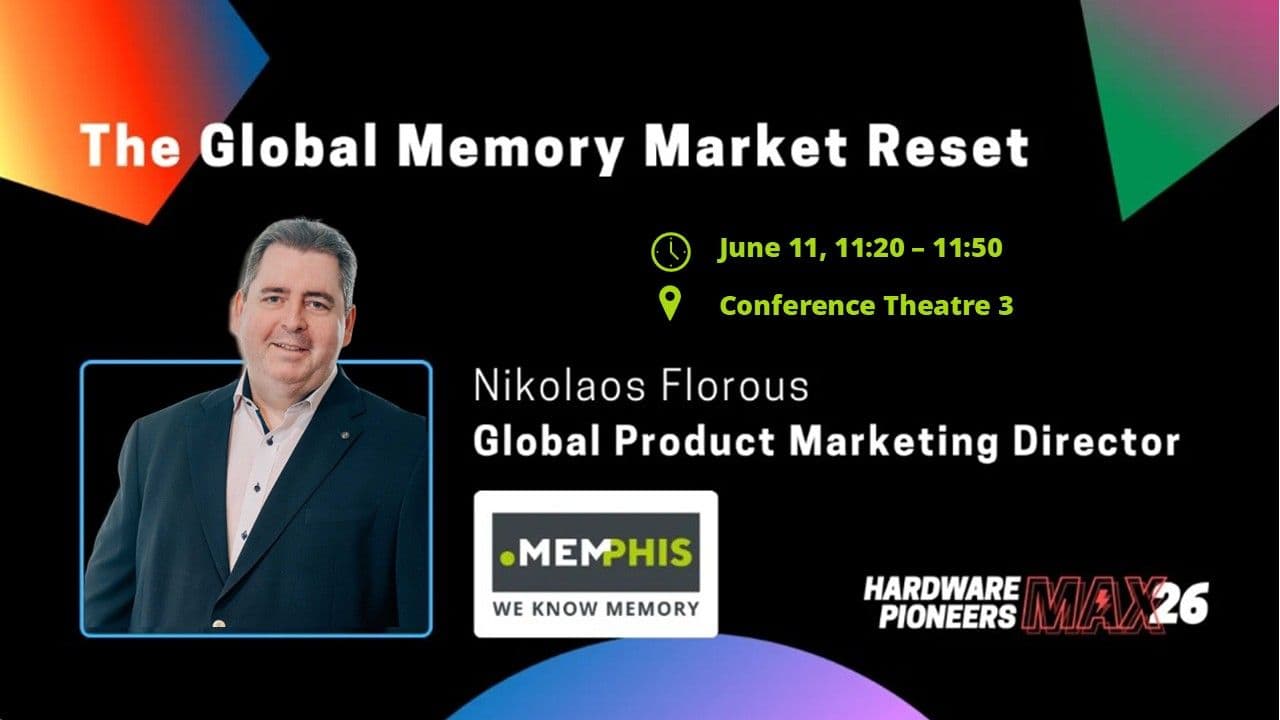
We are exhibiting at Hardware Pioneers on June 10 -11. If you are attending, don’t miss our speaking slot on June 11 from 11:20 to 11:50, in which we will explain what you can do to prevent the current situation of the memory market from slowing down or derailing your product roadmaps and future innovations. Add it to your calendar here.
For insights on specific products, actionable advice, and tailored recommendations to your needs, drop by our booth Q11.
Reach out to book a meeting at the show and get a free ticket!
AI has fundamentally rewritten the rules of the memory market, and most of the industry has yet to absorb what that actually means. The memory market is splitting in a way that makes the old commodity model obsolete and experts agree: The era of cheap memory is over, and it’s unlikely to come back.
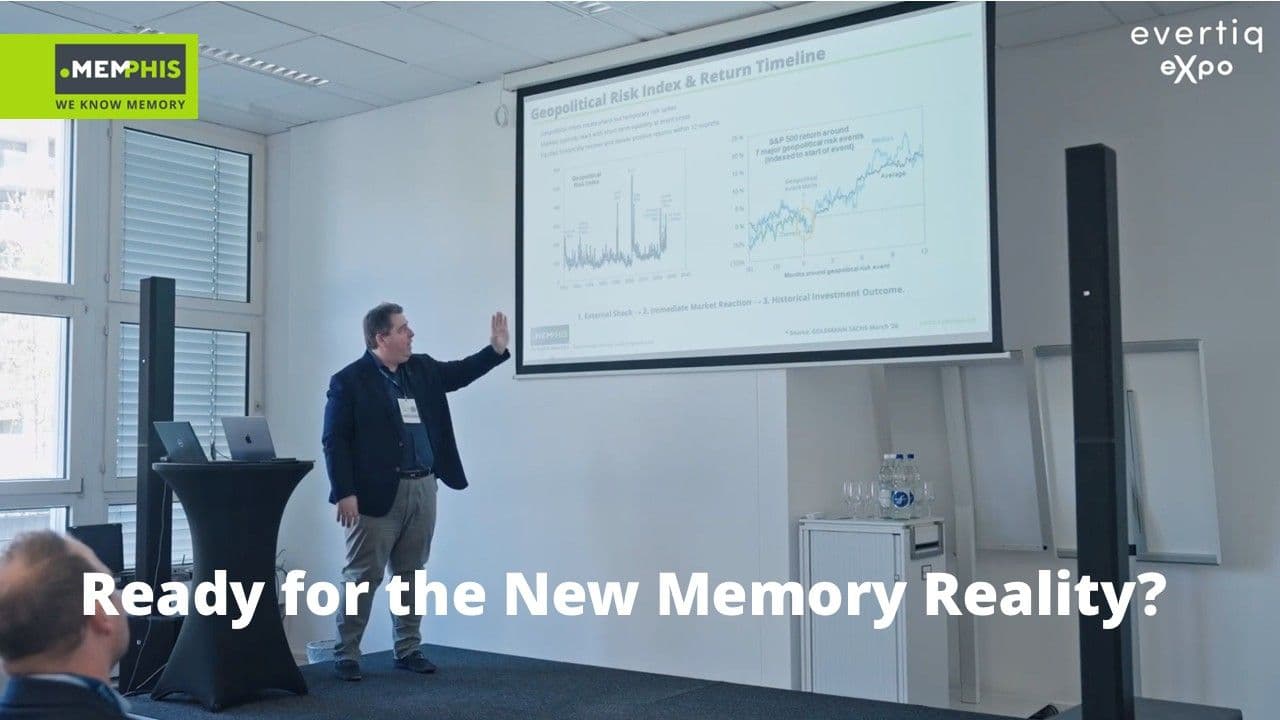
For procurement and engineering teams, this represents a material risk. Join us at Evertiq Berlin on June 18 for our session on the Global Memory Market Reset, where we explain the background and the implications of the memory market on your business.
Register for your free ticket here.
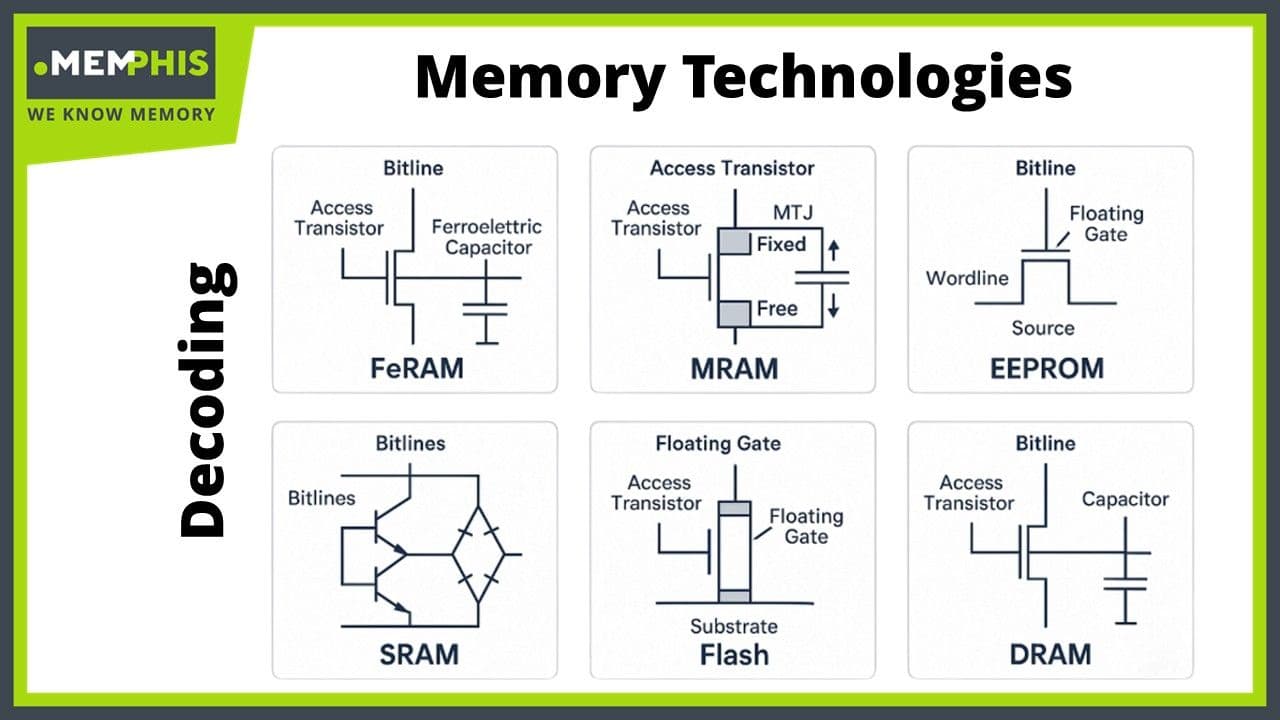
Choosing the right memory is one of the most important – and often underestimated – decisions in electronic design. It directly influences system performance, power consumption, reliability, and long-term availability.
For engineers, the challenge isn’t just understanding how each memory works, it’s understanding why one technology makes sense over another.
This article breaks down the most relevant memory technologies on the market today and highlights their real-world strengths, weaknesses, and typical use cases. It also reveals why now might be the best time to reconsider emerging memories again, since previous roadblocks like cost constraints are no longer valid.
Read the full article here.