
The memory industry has always been cyclical, but today's challenges extend far beyond traditional boom-and-bust dynamics. The last few weeks have been a prime example of the many new developments we have to deal with daily in this market. We cannot predict every twist and turn, but we have to learn to move with them.
DRAM levels hit an all-time low earlier this month, with news reports indicating the two largest suppliers were holding less than 10 days of finished memory inventory. This new “record” adds more pressure to already existing supply concerns.
The market is also moving: Infineon announced the sale of its NOR and FRAM flash business to Winbond in a deal expected to close in the second half of 2027. Winbond plans to operate the business independently under the brand name Spansion. NOR is mainly used for code execution and has so far been only partially affected by the memory cycle, but that seems to be changing.
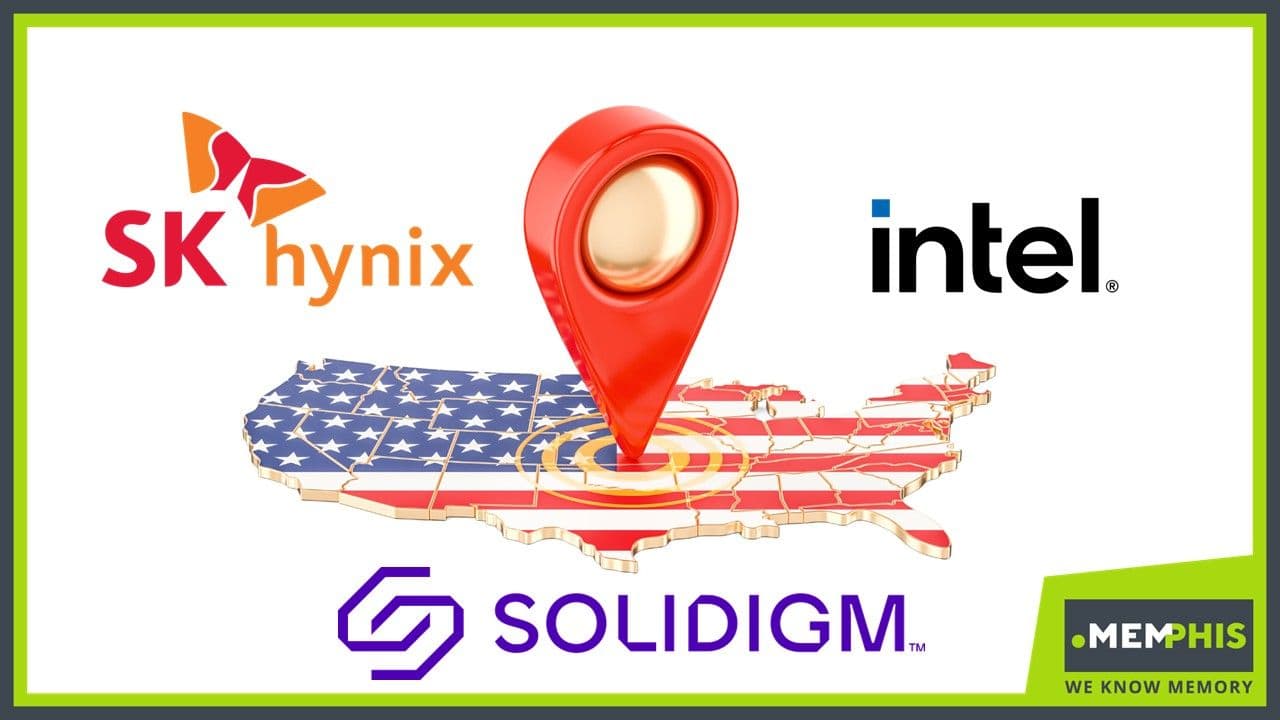
In response to growing geopolitical pressure, news reports surfaced about SK Hynix exploring several options to strengthen its global competitiveness and build some U.S. manufacturing capabilities.
As not all memory-related news actually make headlines like this month, it’s important that you have a reliable partner at your side in times like these.
The essence of MEMPHIS is to help engineers and procurement teams make confident decisions in an industry defined by constant change. Meet us at electronica and make sure you sign up for our next webinar: The Race to Build the Next Memory Economy
More below!
AI infrastructure, HBM, advanced packaging, and next-generation computing are creating a new memory economy alongside the traditional DRAM and NAND cycle. Where will capacity be going moving forward? How will it be allocated, and which companies will capture future value?
This 2026 Year-End webinar will provide a strategic, data-driven outlook on the forces shaping the global memory industry from 2027 through 2030.

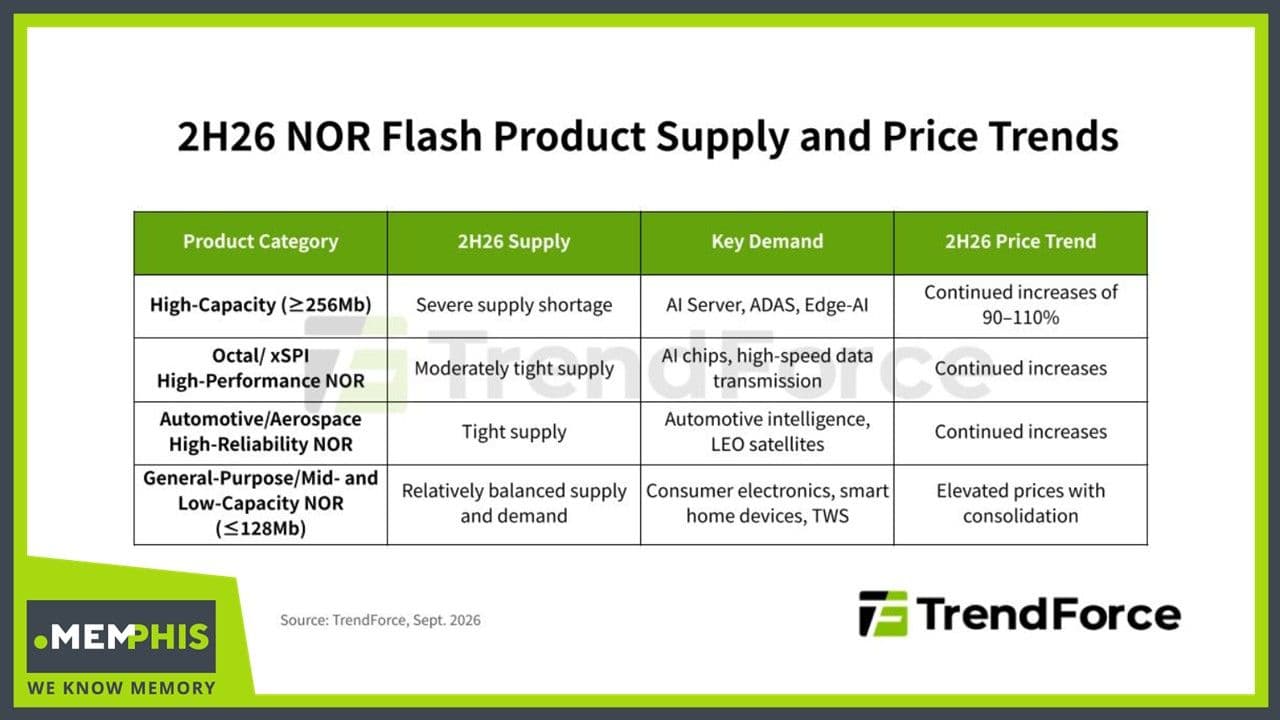
The NOR Flash market is undergoing its most significant structural shift in nearly a decade. Beyond AI, traditional applications such as advanced driver assistance systems (ADAS), digital cockpits, industrial control, and aerospace communications are emerging as the primary sources of incremental demand in 2026.
Supply and demand are therefore expected to remain imbalanced in the second half of 2026, and prices for high-capacity products could even double.
Read more here.
SK Hynix has been in the news recently for its expansion plans in the United States. First, reports emerged about a potential deal between Intel and SK Hynix to manufacture memory chips in Intel’s Ohio fab.
This was followed by news about plans for a Solidigm plant in Upstate New York. Solidigm is a NAND subsidiary SK Hynix acquired from Intel in 2021. In addition, SK Hynix announced the launch of a new corporate venture capital brand, SK Hynix Ventures, aimed at expanding strategic partnerships within the global AI ecosystem and securing future innovative technologies.
SK Hynix stressed that no arrangements have been finalized, but the industry is moving. More background here.
According to media reports, Samsung and SK Hynix, the two companies that together control roughly 64% of worldwide DRAM revenue, now hold fewer than 10 days of finished memory inventory. This marks another “record” in the current memory supercycle. Inventory levels this low mean the supply chain now has essentially no buffer.
A weather event, a labor action, a geopolitical escalation – basically any disruption could drive inventory to zero within days. This is a clear call to prioritize memory sourcing. Read more here.
Sign up for our next webinar, in which we will take a look at the forces shaping the global memory industry through 2030. Register here.
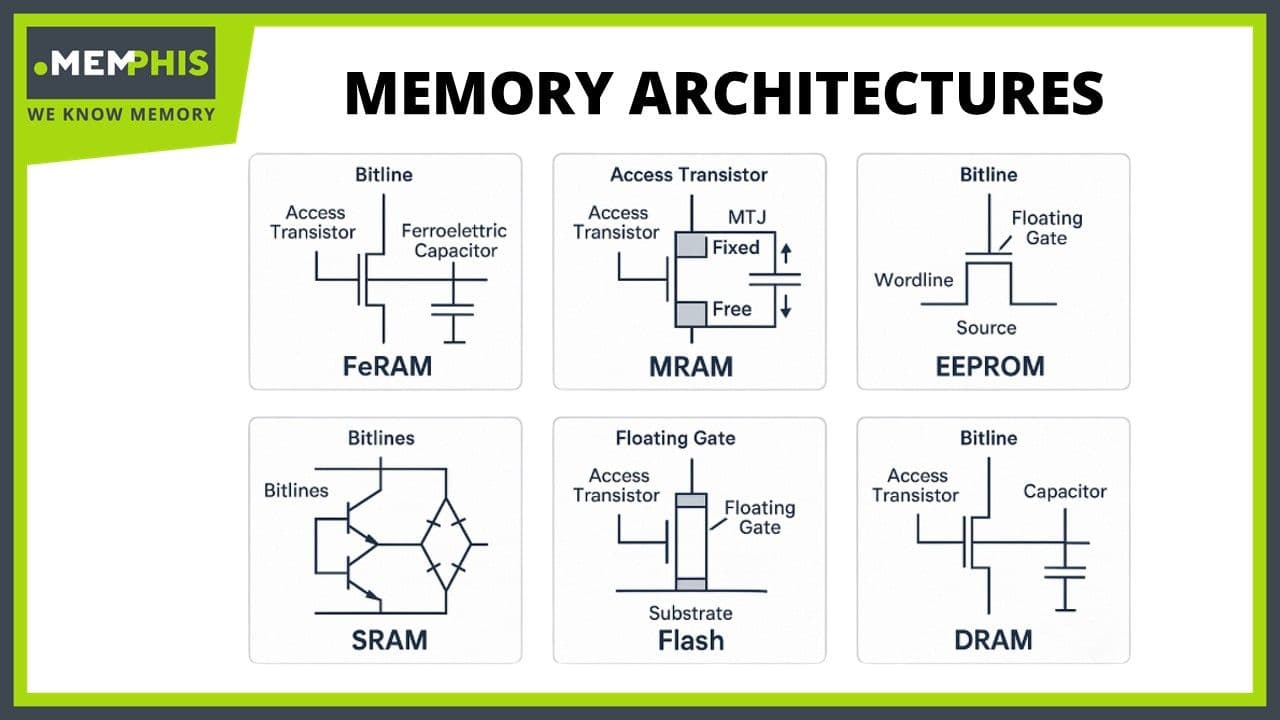
Choosing memory for a modern device is no longer simply a matter of how much storage is needed. It is a question of how fast data must move, how often it must be rewritten, and how reliably it must survive.
As engineers must consider more than just capacity and cost, we have worked with Wevolver to compare modern volatile and non-volatile memories, including SRAM, DRAM, Flash, EEPROM, MRAM, FeRAM, ReRAM, and PCM. We outline their architectures and the trends shaping the future of memory design.
Read the article here.
Whether you're facing allocation risks, product discontinuations, technology transitions, or new AI-driven performance requirements, MEMPHIS helps you make informed memory decisions that support long-term success.
For 35 years, that’s what we have been doing: providing clarity, insights, and practical solutions, and this is what we are celebrating at electronica.
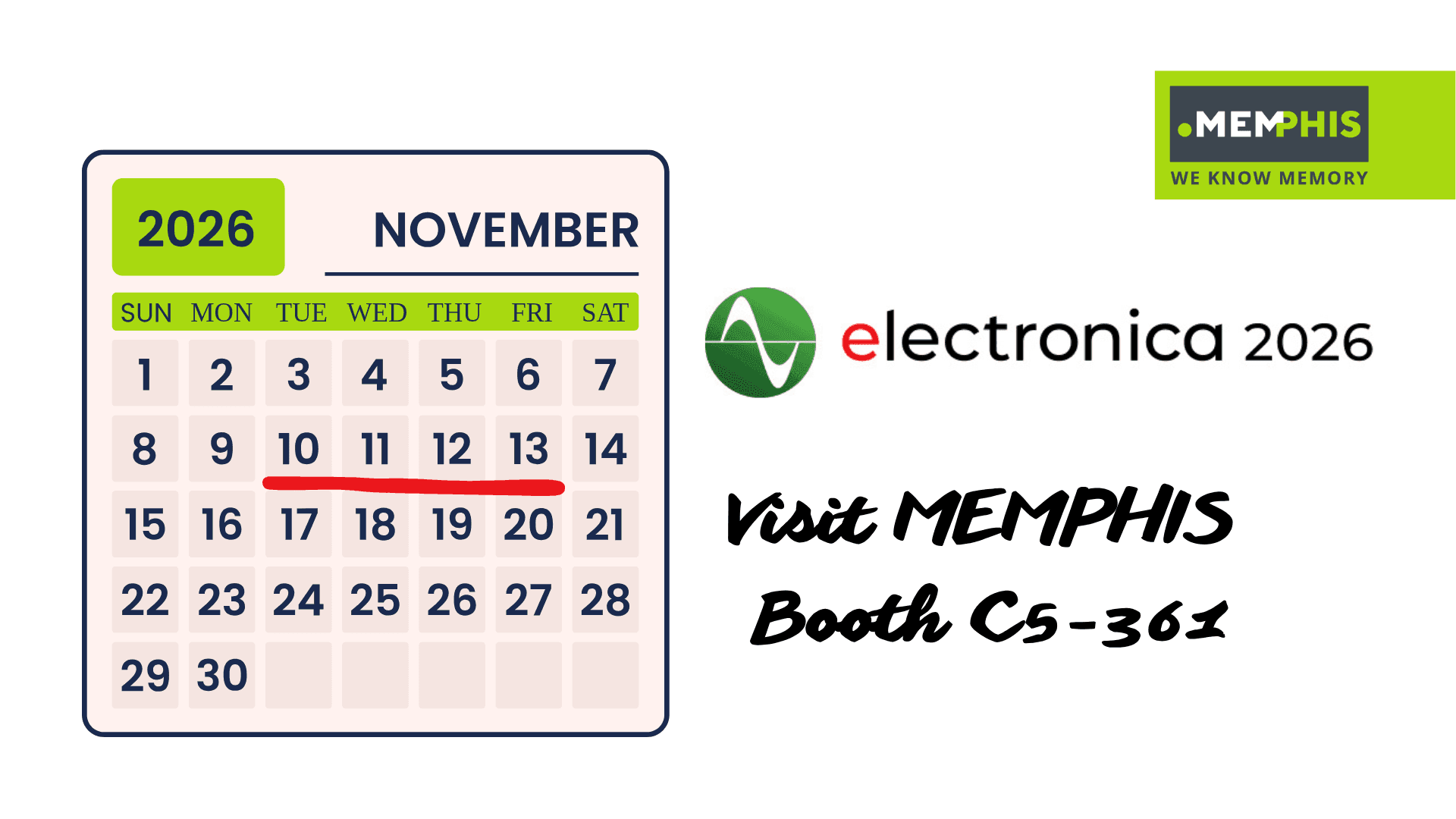
Stop by our booth C5.361 at this year's electronica from Nov 10 to 13 for market insights and anniversary celebrations.
Claim your free ticket.