Earlier this month, the memory industry gathered at the 2026 Future of Memory and Storage (FMS) conference. We exhibited for the first time and had many interesting conversations and meetings.
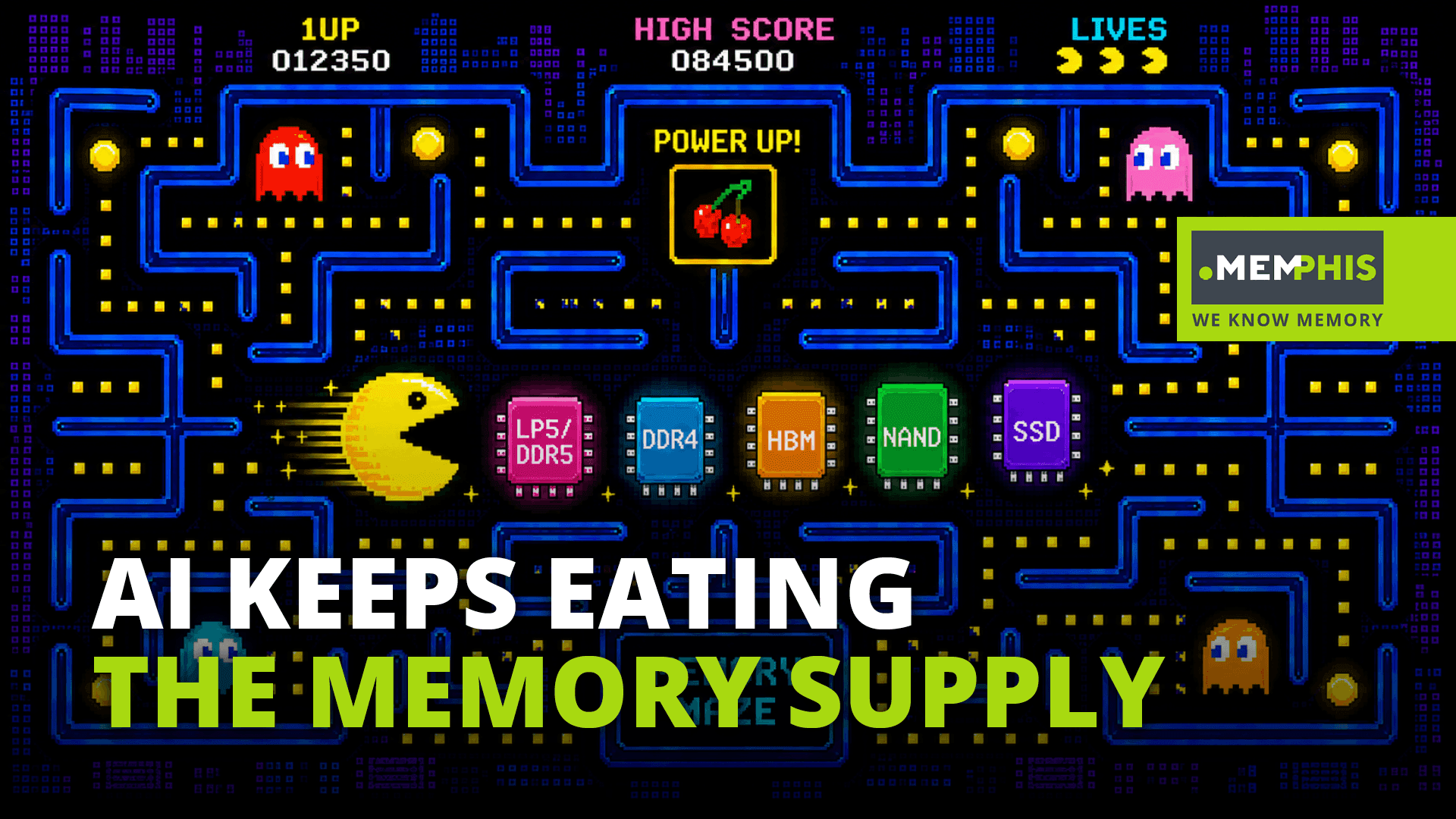
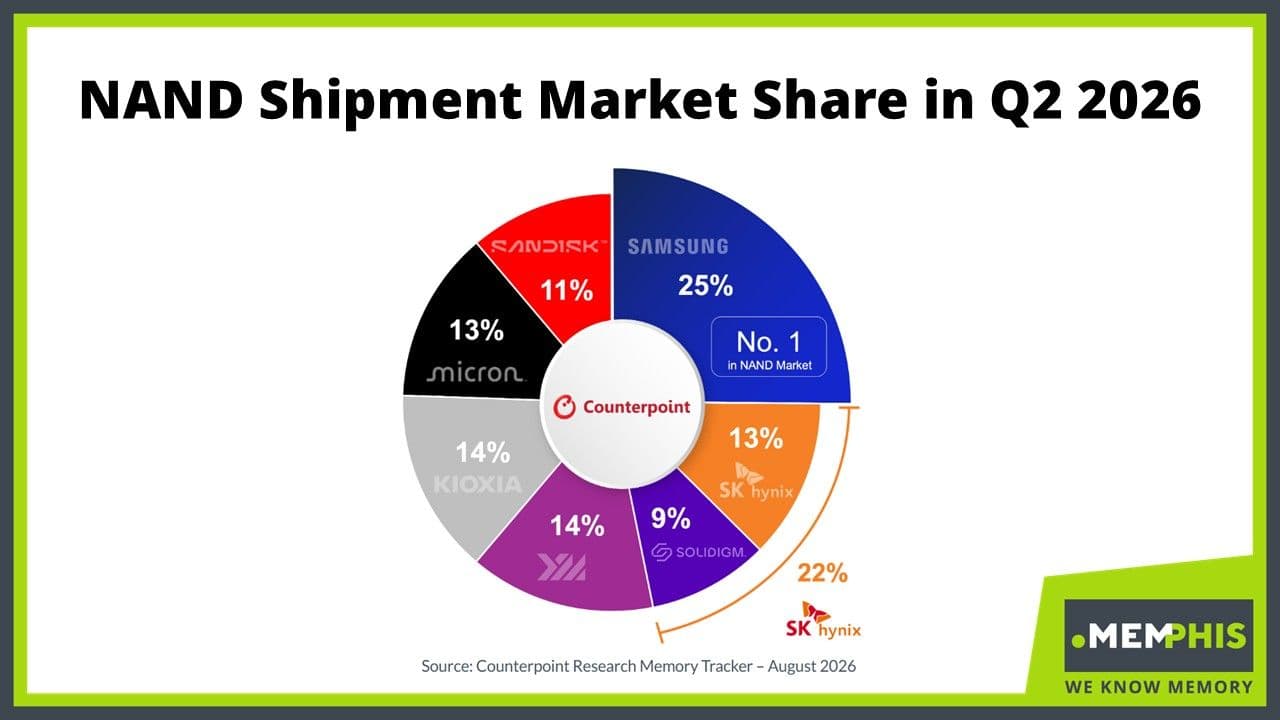
However, not unexpectedly, the dominant topic was AI’s continued impact on the memory and storage market as AI technology becomes woven into more and more aspects of our daily lives. Analysts don’t see an end to the memory supercycle and continue to revise its duration upward. Counterpoint’s NAND market outlook proves just that.
There was also some good news this month: SK Hynix, Nanya and Winbond have announced capacity expansions. However, these fabs won’t enter production before the end of 2028 or the beginning of 2029 and won’t help the near-term shortage. The fact is, this capacity is going to advanced nodes. This fundamentally shakes one of the core beliefs in our industry: legacy memory will be around for the long term and cheap.
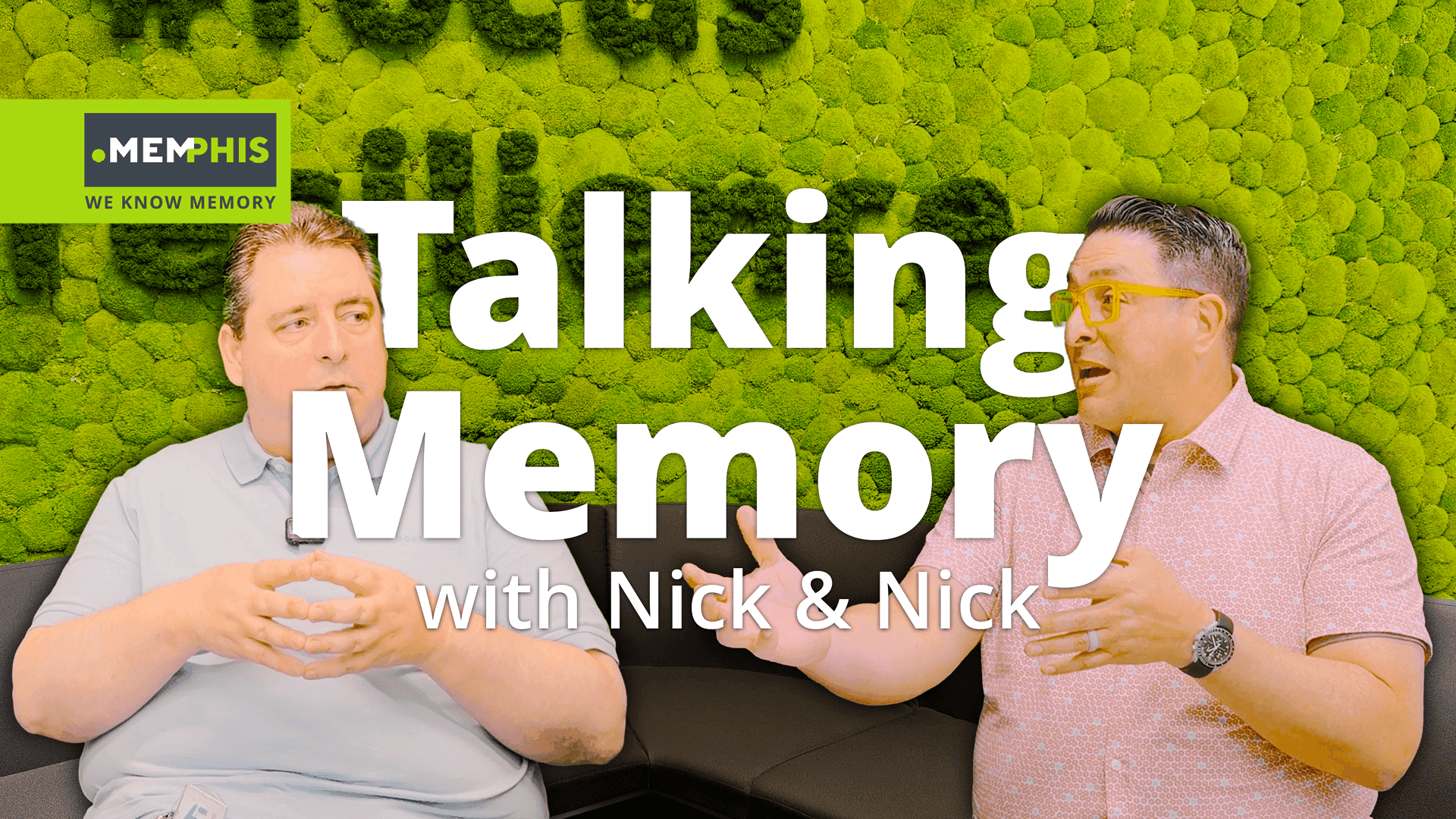
This is one of the many things that Nick Florous and Nick Urbano discuss in our podcast, Talking Memory with Nick & Nick. If you haven’t tuned in, it’s worth checking out.
While we hope you enjoy our content, we also want to hear from you. How does the memory market actually impact your business? What are your biggest pain points? Let us know by taking part in our survey. Details below.
Looking forward to your feedback!
AI has become the defining variable for NAND demand. According to Counterpoint, AI inference workloads drove enterprise SSDs to 48% of global NAND shipments in Q2 2026, nearly double the 26% share a year earlier. Furthermore, eSSDs in servers are expected to absorb more than half of all NAND bits by the end of this year.
This has pushed consumer ASPs to record highs. Samsung faced capacity constraints and capped its NAND output for high-margin DRAM. This allowed YMTC to enter the top three NAND providers.
Read more here.

How does the current memory market impact your job? How confident do you feel about the next weeks and months? That’s what we want to find out in the survey we are conducting together with EETech to get a pulse of the industry.
Of course, we also want to hear from you. So please take a couple of minutes, grab a coffee and take part in our survey.
Hand on heart, most of us thought legacy memory – be it DRAM or flash – would be around for quite a while yet and would be cheap.
That’s one of the things that has fundamentally changed in the new memory reality that Nick Florous and Nick Urbano discuss on our latest podcast. They also talk about the effects of AI investments on industrial and embedded industries and what they see for the remainder of 2026.
Check it out here.
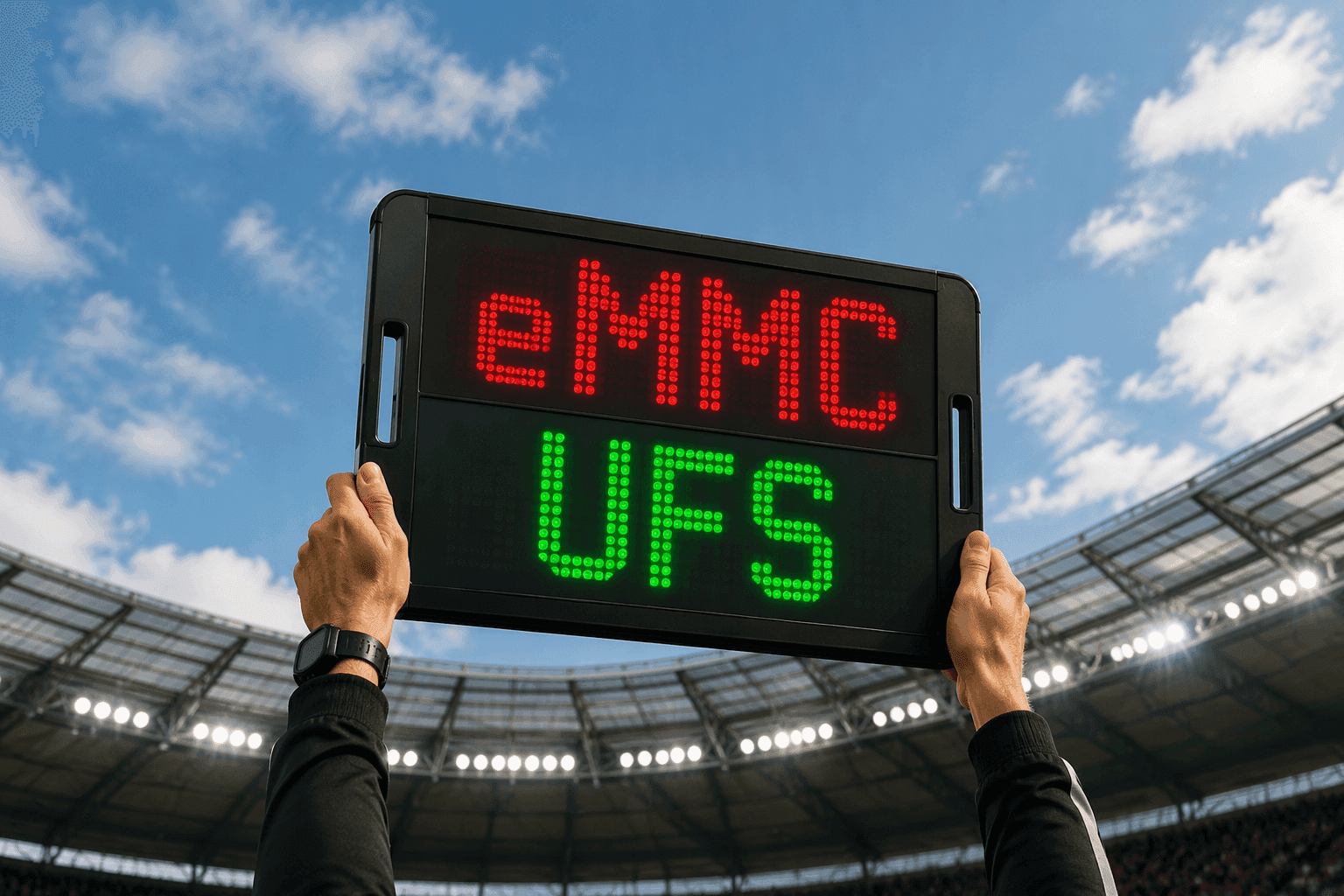
As eMMC is getting so hard to source, OEMs have to look for alternatives for their designs. We compared eMMC to other flash technologies like UFS, NVMe, and SATA in terms of interface, speed, cost, and latency.
The outcome is a guide for developers on how to match the right technology to the right application.
Check it out here.
Reach out if you have any questions.
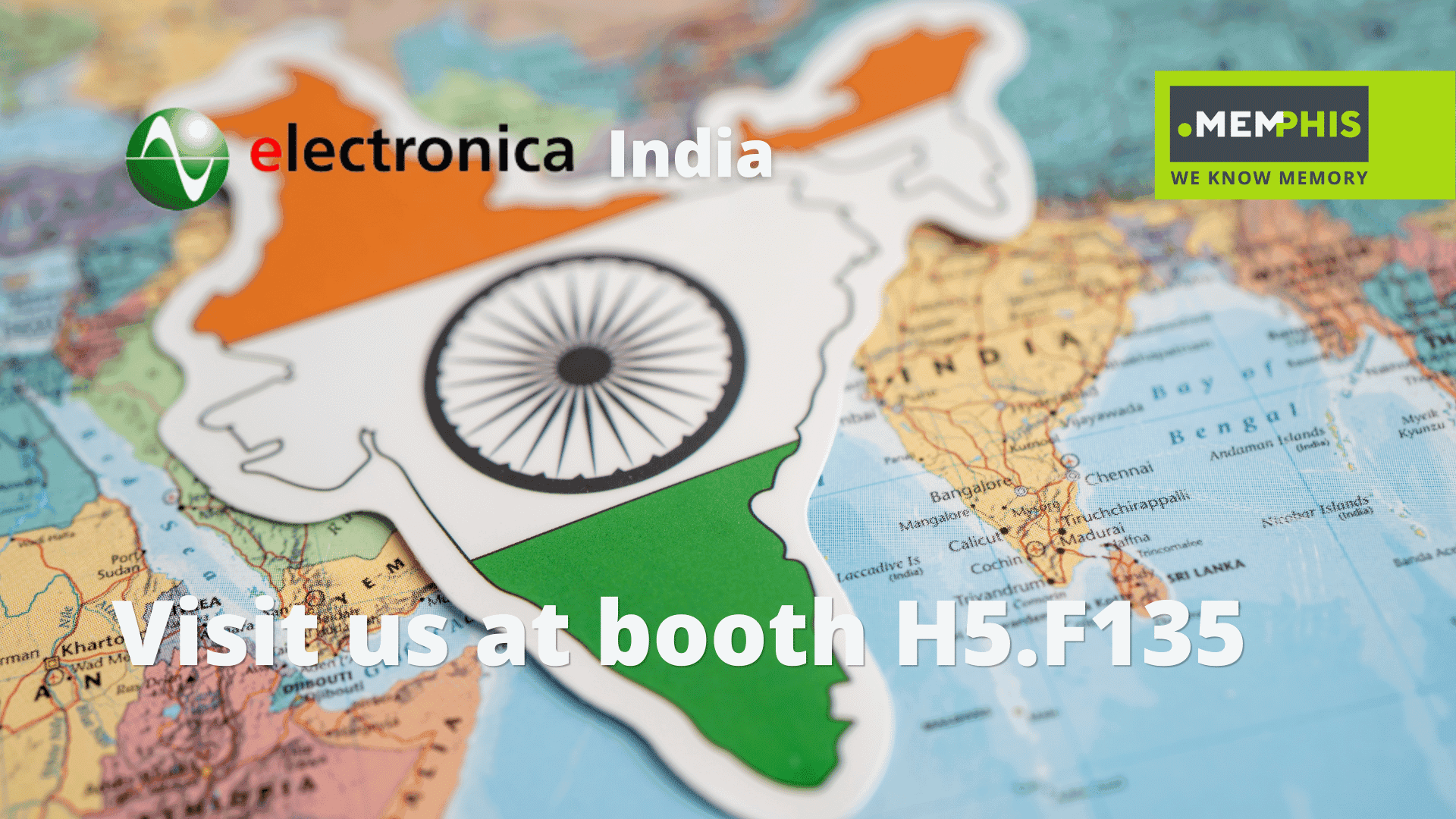
We will exhibit at electronica India 2026, from September 16-18 in Bengaluru, and showcase how we can support India’s rapidly growing electronics and semiconductor ecosystem as a reliable partner in memory supply.
If you are looking to secure long-term memory component availability, are planning a technology migration, or want to get access to a broader memory portfolio, a stop at booth H5.F135 is a must.
Register today and get your free ticket here.
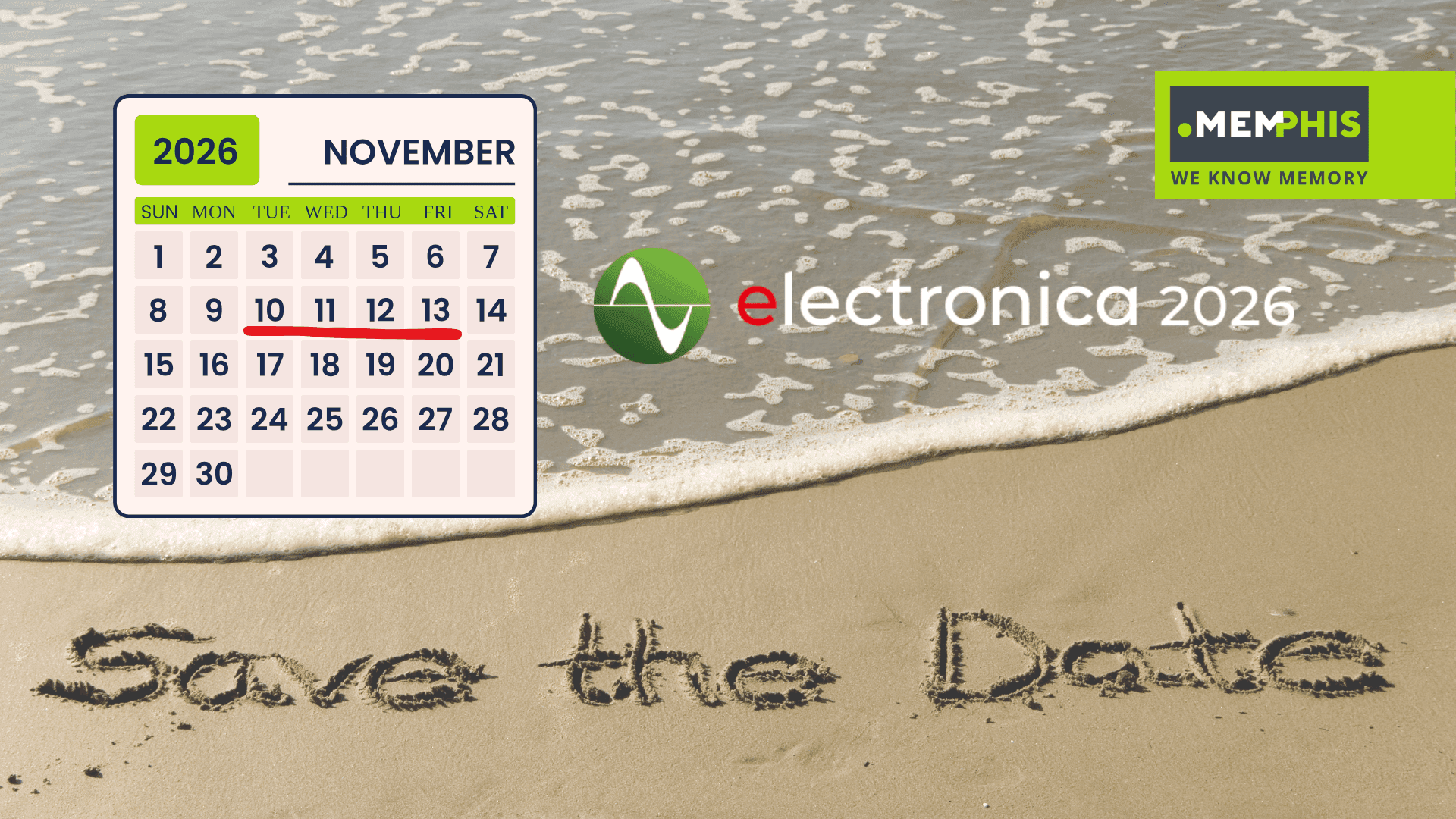
You might still be on vacation, enjoying the beach. But it's also time to think ahead! Save the date for electronica 2026. It's the ideal time to meet with our experts and find the right memory strategy for 2027 and beyond.
Whether you're facing allocation risks, product discontinuations, technology transitions, or new AI-driven performance requirements, your MEMPHIS Team helps you make informed memory decisions that support long-term success. Mark your calendar for November 10 to 13 and make sure you drop by our booth C5-361.
Find our more here.